
Coffee quality · 5 July 2023
What determines coffee flavour in an automatic coffee machine?
What affects the flavour of coffee from an automatic machine, from beans to extraction settings.
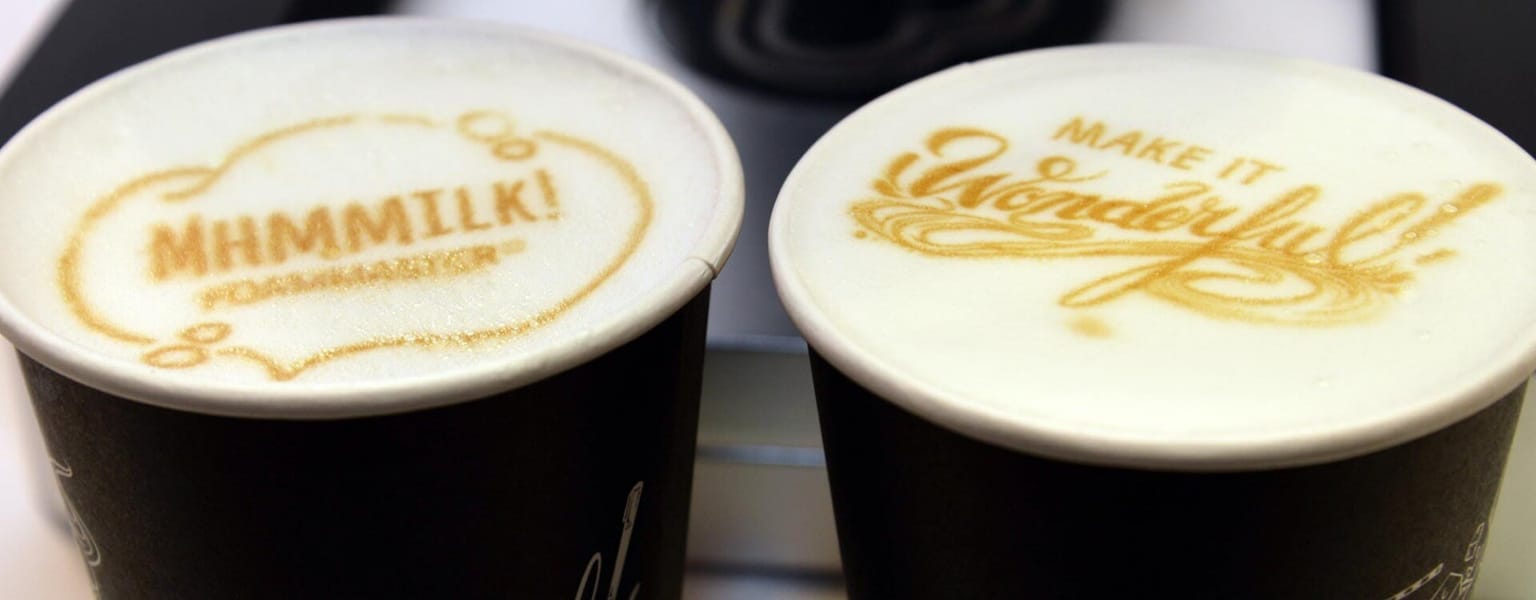
Do you think a coffee machine can make coffee as good and as aromatic as a barista? If that once seemed like fantasy, today's coffee equipment is capable of surprising you.
But for all the settings and the smart systems, the quality of that bracing drink can vary. What does it depend on? In this article we look at the factors that affect the taste of coffee from a machine, and at how the perfect balance of aroma and flavour can be reached.
What can spoil your favourite coffee drink
You might think making coffee is not that complicated a process, especially when a machine does it automatically. The drink should come out well and nothing should be able to spoil the taste. Not so. There are a number of reasons capable of affecting the quality of your favourite coffee. Let us look at the most important of them.
The beans
One of the most important factors determining the taste of coffee is the quality of the beans used. High-quality beans, freshly roasted and stored properly, can create a remarkably rich, full-bodied taste. So do not economise heavily on the raw material unless you want to be disappointed in your favourite drinks.
Grind size
The grind size of the beans plays far from the last role in making coffee. Franke's smart automatic machines have the innovative iQFlow™ technology integrated, which makes it possible to experiment with grind size and extraction to find the optimal balance of flavour and aroma for yourself.
Pressure and temperature
These parameters during extraction also affect the taste of the coffee. The right pressure makes it possible to draw the aromatics well out of the beans, and the right temperature ensures the flavour notes open up fully. Professional automatic machines usually have the ability to control water pressure and temperature in order to reach the optimal taste.
A clean machine
The next factor that can affect the taste of your favourite drink from an automatic machine is the cleanliness of the machine itself. Coffee oil residue and protein deposits can have a negative effect not only on the taste but on how well the machine works overall. That is why it is so important to clean the machine regularly in line with the manufacturer's instructions. Professional machines also clean the system themselves, which is very convenient. You do not need to take part in it. Just start the process and wait a few minutes, after which you can begin making good coffee drinks again.
Water
Whichever way you look at it, the quality of the water used to make the coffee also plays a significant role. Well-filtered or bottled water can help avoid the impurities that affect a drink's taste and aroma. Remember that water makes up most of your drink, so its quality matters.
Individual preference
The taste of coffee is subjective and depends on each person's own preferences. So do not be afraid to experiment with different bean combinations, grind sizes and other settings in order to reach the taste that fully satisfies you.
An automatic coffee machine can make perfect coffee cup after cup to barista standard, but that requires accounting for a number of factors affecting the process. Following the recommendations set out in this article, and experimenting a little with the settings, the machine will handle making good drinks with flying colours.
Models covered here
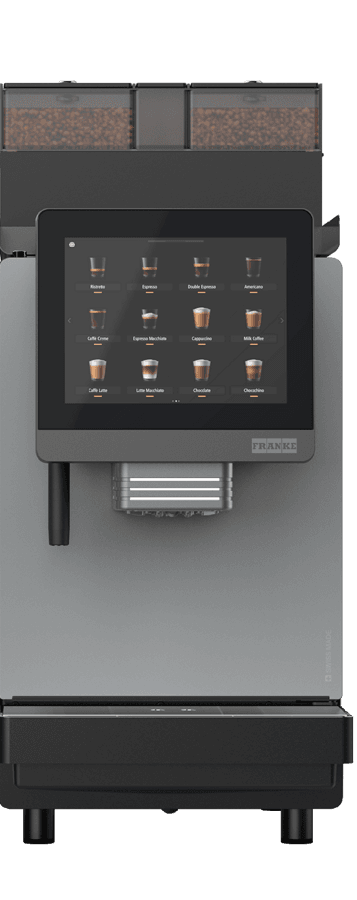
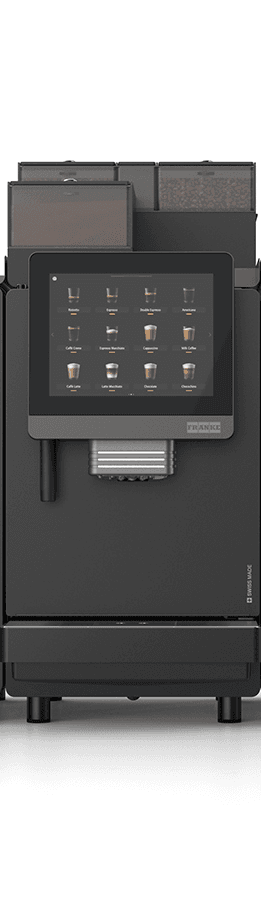
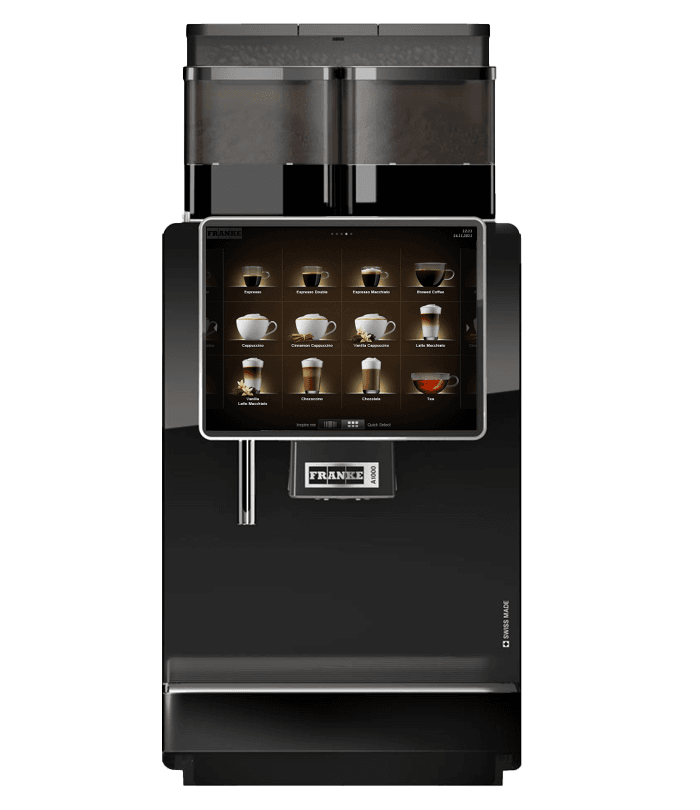
Find your model
Leave your contact details and we will match a coffee machine to your venue and explain service and supply terms.
Or call us now: 044 528 84 00
Coffee works. We show you how.
Case studies, new models, and maintenance tips are on Optima social media. Follow us and stay up to date.